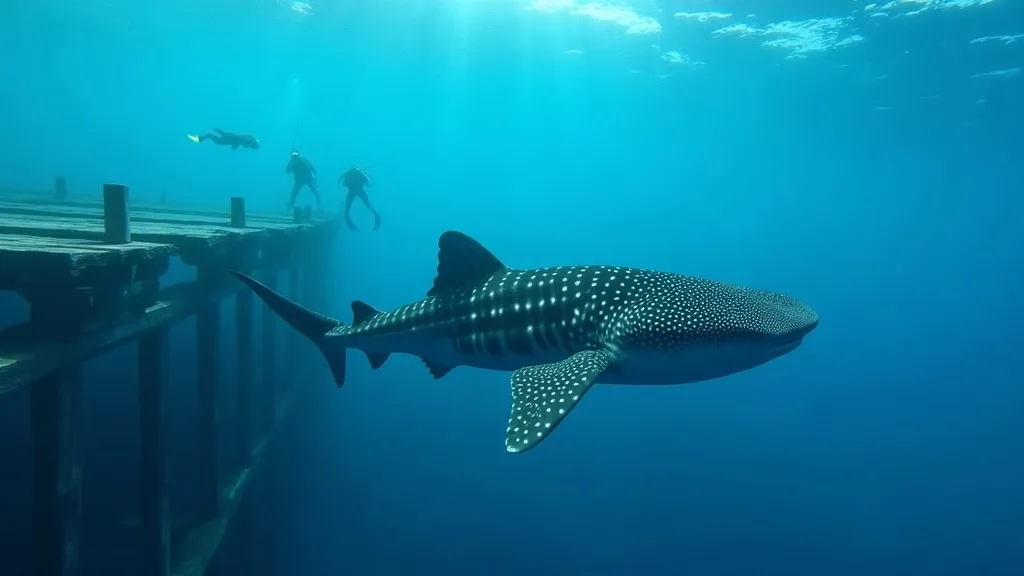
The best time to visit Komodo National Park is during the dry season from April to October, with optimal conditions for both weather and wildlife sightings.
Understanding Komodo’s Seasonal Dynamics
Komodo National Park, an exquisite archipelago in Indonesia, offers distinct seasonal experiences that cater to diverse interests, ranging from diving to wildlife observation. The best time to visit Komodo hinges on personal preferences for weather, marine life, and park activities. Here, we delineate the seasonal factors to consider when planning your journey.
April to June: The Ideal All-Rounder
April to June heralds the best overall conditions in Komodo. During this period, the park boasts lush greenery and calm seas, perfect for both land excursions and sailing. Visitors will find the landscape at its most picturesque, offering ideal conditions for photography, hiking, and exploring the varied itineraries available.
| Seasonal Highlights | Period |
|---|---|
| Green Landscapes & Calm Seas | April – June |
| Marine Life Visibility | September – November |
| Manta Ray Observation | December – March |
| Whale Shark Season | April – June |
Peak Tourist Season: July to August
The months of July and August mark the peak tourist influx, coinciding with school holidays in many countries. This period sees increased visitor numbers and a 30–40% hike in prices. While crowd levels are at their highest, the allure of witnessing dragon mating behaviours and the region’s lively atmosphere remains undiminished.
September to November: Marine Life Spectacle
For avid divers and snorkelers, September to November offers exceptional underwater visibility. It is a prime time to explore the lively coral reefs and marine biodiversity. Manta Point, one of the iconic dive sites in the park, is particularly rewarding during these months.
Exploring Komodo’s Unique Experiences
- Padar Island: Renowned for its panoramic views, a sunrise hike is a must.
- Pink Beach: Its unique hue offers a rare snorkelling experience.
- Komodo & Rinca Islands: Witness the legendary Komodo dragons in their natural habitat.
- Manta Point: A snorkelling haven for observing graceful manta rays.
- Taka Makassar: Explore this idyllic sandbank for its seclusion and beauty.
Choosing the Right Charter Experience
Whether it’s a traditional phinisi or a luxurious superyacht, selecting the right vessel is critical to enhancing your Komodo experience. Our private charters offer the flexibility to tailor itineraries, ensuring a bespoke journey.
Vessel Options
- Traditional Phinisi: Ideal for groups of 10-14, offering a classic sailing experience.
- Luxury Phinisi: Balances opulence with tradition, perfect for intimate gatherings of 12-16.
- Superyacht: A sophisticated choice for up to 12 guests, with ensuite accommodations and exclusive amenities.
Practical Travel Logistics
Reaching Komodo begins with a flight to Komodo Airport (LBJ) in Labuan Bajo, West Flores. From here, transfers by sea are arranged to reach the park’s key islands. Many charters embark from Labuan Bajo, providing convenient access to explore the park’s diverse offerings.
Exploring Komodo’s Underwater Wonders
Komodo, part of the Coral Triangle, is renowned for its lively marine biodiversity, making it a prime destination for diving enthusiasts. The private crewed yacht charters offer exceptional access to some of the most spectacular dive sites, ensuring an intimate and immersive experience in these waters.
The region boasts over 1,500 types of fish and 600 species of coral, providing a feast for the eyes beneath the surface. Notable dive spots include Komodo & Rinca (dragons), famed for its record-breaking fish count, and Pink Beach Island, celebrated for its stunning coral gardens and diverse marine life.
The calmest sea conditions, ideal for diving, generally occur between April and October, when visibility is at its peak. If you a seasoned diver or a novice, the yacht’s expert dive guides ensure safe and memorable experiences tailored to your skill level.
Cultural Interactions and Local Experiences
Beyond its natural splendours, the Komodo region offers rich cultural experiences. A yacht charter provides the flexibility to explore local villages and engage with the indigenous communities, offering a glimpse into their traditional ways of life.
Visitors can partake in cultural excursions to witness traditional dances, artisanal crafts, and local culinary practices. The villages of Kanawa and Sawinggrai, for instance, are known for their warm hospitality and lively cultural expressions.
- Kanawa Village: Known for its handicrafts and traditional Papuan dance performances.
- Sawinggrai Village: Offers opportunities to learn about local fishing techniques and sago processing.
Engaging with these communities not only enriches your journey but also supports local economies, fostering sustainable tourism practices.
Choosing the Perfect Vessel for Your Charter
Selecting the right vessel is crucial to ensuring a comfortable and enjoyable yacht charter experience in Komodo. The fleet ranges from traditional phinisi boats to opulent superyachts, each offering unique features and amenities.
For those seeking a balance of luxury and tradition, the luxury phinisi, with its spacious cabins and modern amenities, accommodates 12 to 16 guests, providing a perfect blend of comfort and cultural allure. These vessels are equipped with air-conditioned cabins, ensuite bathrooms, and expansive deck spaces for relaxation and dining.
| Type | Length | Cabins | Guests |
|---|---|---|---|
| Traditional Phinisi | 30-40 mm | 5-7 | 10-14 |
| Luxury Phinisi | 40-55 mm | 5-8 | 12-16 |
| Superyacht | Over 40 mm | Ensuite Suites | Up to 12 |
For those desiring the pinnacle of luxury, a superyacht offers bespoke experiences with top-tier service, including personalised itineraries, gourmet dining, and exclusive access to secluded spots.
Sustainable Practices and Environmental Considerations
Komodo and Komodo are renowned for their rich biodiversity and unique ecosystems, which makes maintaining sustainable practices crucial for preserving these pristine environments. When chartering a private yacht, it is essential to ensure that the operators adhere to strict environmental guidelines to minimise the ecological footprint of your visit.
Many yacht charters consciously implement eco-friendly measures, such as:
- Using biodegradable cleaning products and toiletries onboard to reduce pollution.
- Implementing waste management systems that include recycling and responsible disposal of waste.
- Utilising energy-efficient appliances and solar panels where possible, to reduce fuel consumption.
- Providing educational sessions about local marine life and ecosystems to promote awareness and conservation efforts.
By choosing a charter that prioritises sustainability, you contribute to the preservation of Komodo’s natural beauty and support initiatives that protect its diverse habitats.
Customising Your Itinerary for a Bespoke Experience
One of the significant advantages of a private crewed yacht charter is the ability to tailor your itinerary to suit personal preferences and interests. If your focus is on diving, relaxation, or cultural exploration, a customised itinerary ensures an enriching and unique experience.
Popular stops when exploring Komodo and its surroundings include:
- Padar Island: Known for its distinctive topography and panoramic views, perfect for photography enthusiasts.
- Pink Beach: A mesmerising spot for snorkelling and beachcombing with its unusual pink-hued sands.
- Komodo and Rinca Islands: Home to the iconic Komodo dragons, offering guided tours to safely observe these fascinating creatures.
- Manta Point: Ideal for diving and snorkelling, where encounters with graceful manta rays are common.
Discussing your interests with the charter operator allows them to create a bespoke itinerary that reflects your desires, ensuring each day aboard is filled with exploration and enjoyment tailored specifically to you.
To ensure a seamless experience, it’s advisable to plan your charter on WhatsApp, particularly during peak seasons when availability is limited. Early bookings, ideally 3–6 months in advance for peak periods, are recommended.
2027 Note: With increasing interest in sustainable travel, Komodo National Park implements a daily visitor cap of 1,000 people on Komodo & Padar Islands, emphasizing the importance of booking early to secure preferred dates.
Indonesia Tourism Sustainability Regulations 2026–2027
Indonesia is poised to implement tourism sustainability regulations in 2026–2027, focusing on reducing carbon emissions and promoting greener travel. These regulations align with Indonesia’s broader carbon emission reduction targets and green policies, reflecting a commitment to environmental preservation. As travelers become more eco-conscious, these initiatives are expected to appeal to those prioritizing sustainable tourism. The regulations will likely encourage the adoption of eco-friendly practices within the tourism industry, including energy-efficient accommodations and sustainable transportation options. By 2027, Indonesia aims to balance its booming tourism sector with environmental responsibilities, ensuring that the natural beauty and cultural heritage of the archipelago are preserved for future generations. These efforts are part of a larger global trend towards sustainable travel, positioning Indonesia as a leader in eco-friendly tourism. The country’s approach will likely serve as a model for other regions seeking to integrate sustainability into their tourism strategies. See our guide: Komodo Journal. A Komodo Honeymoon Guide