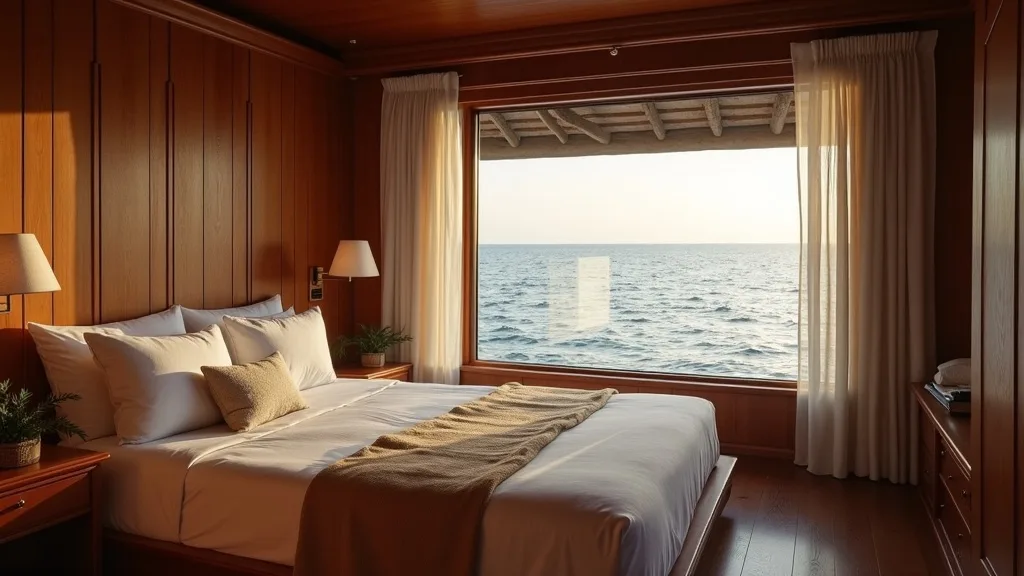
Komodo diving is a sought-after experience for those who appreciate the rich marine biodiversity that the Komodo National Park has to offer. Operated by Komodo Luxury, private charters provide an exclusive way to explore this underwater paradise, renowned for its drift diving and manta ray sightings. Ideal from April to November, the park’s waters host a myriad of lively marine life.
Signature Sites & Locations
The Komodo National Park is home to over 30 exceptional dive sites. Each location offers a unique glimpse into the park’s underwater wonders, making it a divers’ haven.
- Padar Island: Famous for its panoramic views and unique pink-sand beaches, Padar Island is an excellent spot for snorkelling enthusiasts.
- Pink Beach: Known for its distinctive pink sand, this site boasts lively coral reefs, ideal for snorkelling.
- Komodo & Rinca Islands: These islands offer guided treks to observe the renowned Komodo dragons in their natural habitat.
- Manta Point: A prime location for observing manta rays, especially during the plankton-rich wet season from December to March.
- Additional Sites: Other popular locations include Kanawa, Kelor, Taka Makassar, Gili Lawa, Batu Bolong, and Castle Rock, each promising unique underwater experiences.
Logistics: Starting point, Vessels & Itineraries
Access to the Komodo National Park is primarily through Labuan Bajo (LBJ) in West Flores, with sea transfers to Waisai also common. Many charters embark from Labuan Bajo, providing a seamless start to your adventure.
- Traditional Phinisi: Vessels ranging 30–40 metres, accommodating 10–14 guests across 5–7 cabins.
- Luxury Phinisi: Offering enhanced amenities, these vessels measure 40–55 metres, with 5–8 cabins for 12–16 guests.
- Superyacht: Over 40 metres in length, these yachts provide ensuite suites for up to 12 guests.
Popular itineraries include:
| Duration | Route | Highlights |
|---|---|---|
| 3-night/3-day | Komodo | Exploration of Komodo’s central dive sites |
| 4-night/4-day | Komodo & Rinca | Includes Komodo dragon treks |
| 7-night | Komodo–Flores | Comprehensive dive experience across the region |
Guides, Certification & Pricing
Diving in Komodo requires an Advanced Open Water certification due to the strong currents typical of the area. Charters include professional dive guides, a dedicated crew, and a chef to ensure a comfortable journey.
- Park Entry Fee: Approximately IDR 300,000 (USD 20) per foreign visitor on weekdays.
- Visitor Quota: From February 2026, visitor numbers will be capped at 1,000 per day, necessitating advance bookings.
- Charter Pricing: Whole-yacht charters are priced per night, inclusive of crew, chef, and dive guides.
Best Season & Conditions
The optimal time for diving in Komodo is from April to November, when the seas are calmest and water visibility is at its peak. Manta ray enthusiasts should visit between December and February, when these striking creatures are most prevalent.
What’s Included
- Private crewed yacht charter
- Professional dive guides
- Onboard chef and meals
- All diving and snorkelling equipment
- Park entry fees
Who It’s For
Komodo diving is ideal for certified divers seeking an immersive marine experience. It caters to those who prefer private, curated journeys with a touch of luxury.
FAQs
How do I reach Komodo National Park? Fly to Labuan Bajo (LBJ) in West Flores, followed by a sea transfer to your chosen embarkation point.
What diving certification is required? An Advanced Open Water certification is necessary due to the area’s strong currents and drift diving conditions.
When is the best time to see manta rays? Manta rays are best observed from December to February during the wet season when plankton attracts them.
How many dives are included per day? Liveaboard charters typically offer three dives per day.
Marine Biodiversity and Conservation Efforts
The Komodo region, along with the wider Komodo area, is celebrated for its stunning marine biodiversity. The waters here host an extraordinary variety of marine life, making it a prime destination for diving and snorkelling enthusiasts. The coral reefs are home to over 1,500 species of fish and around 600 types of coral, representing the highest marine biodiversity on the planet.
Conservation efforts play a crucial role in maintaining this rich marine environment. Initiatives focus on sustainable tourism practices, which aim to minimise human impact on these fragile ecosystems. Visitors are encouraged to adhere to guidelines that protect marine life, such as maintaining a respectful distance from coral and avoiding physical contact with marine creatures.
Collaborative efforts between local communities, government bodies, and international organisations help to ensure that the area remains a thriving habitat for species such as manta rays and whale sharks. These conservation strategies not only preserve the natural beauty of the Komodo region but also support the livelihoods of local communities that depend on tourism.
Cultural Encounters and Island Exploration
Exploring the Komodo region on a private crewed yacht charter offers a unique opportunity to immerse oneself in the local culture and explore the diverse islands. Beyond the natural wonders, the region is rich in cultural heritage, with traditional villages offering insights into the local way of life.
Visitors to Komodo and the surrounding islands can enjoy interactions with local communities, experiencing traditional crafts, dances, and cuisine. The islands of Flores and Sumbawa, for instance, are known for their weaving techniques and lively textiles, providing a colourful insight into indigenous customs.
While on charter, guests may have the opportunity to visit Komodo Village, where they can witness the traditional stilt houses and learn about the customs and traditions passed down through generations. Such cultural encounters enrich the overall experience, offering a deeper understanding of the region’s history and its people.
Gastronomic Delights on Board
Aboard a private crewed yacht charter in Komodo, culinary experiences are tailored to the preferences of each guest. With a dedicated chef on board, guests can indulge in gourmet meals that highlight both international and local Indonesian flavours. Fresh, locally sourced ingredients are a staple in these culinary creations, providing an authentic taste of the archipelago.
Menus are customised to cater to dietary preferences and restrictions, ensuring an exquisite dining experience for all guests. From freshly caught seafood to traditional Indonesian dishes such as nasi goreng and satay, the dining experience is both diverse and delectable.
In addition to onboard dining, guests may have the opportunity to enjoy beach picnics or barbecue dinners under the stars. These unique dining settings add a special touch to the voyage, allowing guests to savour the region’s culinary delights amidst the stunning natural backdrop of the Komodo islands.
Customised Experiences and Excursions
When chartering a private yacht in the Komodo region, the offering extends far beyond the typical itinerary. Guests are afforded the luxury of customising their journey to suit personal preferences and interests. Whether one is keen on diving, snorkelling, or exploring cultural landmarks, the itinerary can be tailored to create a bespoke experience. Itineraries can include visits to the less frequented northern islands or a day spent on a secluded beach, ensuring a unique adventure at every turn.
Exclusive excursions might include guided treks on Padar Island to witness its famous panoramic views, or a private tour of a local village to engage with indigenous cultures. Onboard, guests can enjoy tailored dining experiences, curated by a private chef who crafts menus to accommodate dietary preferences and highlight regional ingredients. Additionally, specialised activities such as yoga sessions on deck or evening star-gazing can be arranged to enhance the journey.
These custom experiences underscore the essence of private yachting in Komodo, where flexibility and exclusivity are paramount, allowing guests to immerse themselves in the splendour of the region at their own pace.
Sustainability and Environmental Responsibility
Komodo Luxury is committed to operating in an environmentally responsible manner, ensuring that the unique ecosystems of Komodo and Komodo are preserved for future generations. This dedication is reflected in several sustainable practices implemented across our fleet and itineraries. Vessels are equipped with eco-friendly technology, including waste management systems that minimise the environmental impact of operations.
- Use of biodegradable cleaning products
- Strict waste disposal protocols
- Support for local conservation efforts
Additionally, our crew and guides are trained in sustainable tourism practices, ensuring that all interactions with marine life and local communities are conducted with respect and care. Guests are encouraged to participate in these initiatives, such as engaging in beach clean-ups or contributing to coral reef restoration projects. By choosing a sustainable charter, travellers not only enjoy a luxurious experience but also contribute to the preservation of one of the world’s most biodiverse marine environments.
For those seeking a bespoke diving experience in Komodo, plan your charter on WhatsApp with us today.
## Exploring the Depths: Diving in Komodo National Park
Diving in Komodo National Park offers a remarkable underwater adventure, attracting enthusiasts worldwide to explore its vibrant marine ecosystem. The park, encompassing over 29 islands, is renowned for its rich biodiversity, featuring over 1,000 species of fish, 260 types of coral, and rare marine creatures like the majestic manta rays and elusive dugongs. Popular dive sites include Batu Bolong, Castle Rock, and Crystal Rock, each offering unique encounters with marine life. Batu Bolong, located between Komodo and Rinca islands, is famed for its dramatic underwater rock formations and strong currents, creating a dynamic environment teeming with life. Divers often spot large schools of fish, reef sharks, and turtles here. Castle Rock, another favorite, offers the thrill of encountering pelagic species such as barracudas and trevallies amidst stunning coral gardens. The ideal time for diving in Komodo is between March and October, with visibility often exceeding 30 meters, allowing divers to fully appreciate the underwater spectacle. Accessing these dive sites typically involves embarking on liveaboard cruises or private yacht charters from Labuan Bajo, the primary logistics hub for diving excursions in the park. These cruises provide an immersive experience, allowing divers to explore multiple sites over several days, offering both day dives and night dives for a comprehensive exploration of Komodo’s underwater wonders.
## Snorkelling Adventures: A Surface Perspective
For those who prefer to stay closer to the surface, snorkelling in Komodo National Park presents an equally captivating experience. The park’s crystal-clear waters and abundant marine life make it a snorkeller’s paradise. Pink Beach, named for its unique pink-hued sand, is a popular spot for snorkelling. The beach is located on Komodo Island and offers easy access to vibrant coral reefs teeming with colorful fish. Another excellent snorkelling site is Kanawa Island, known for its pristine waters and healthy coral ecosystems. Here, snorkellers can encounter a diverse range of marine life, from clownfish and parrotfish to the occasional reef shark or turtle. The best time for snorkelling is during the dry season, from April to December, when water conditions are calm and visibility is at its best. Snorkelling gear can be rented from Labuan Bajo, and many tour operators offer day trips to these sites, providing convenient access for visitors. These tours often include experienced guides who can enhance the experience by pointing out interesting marine species and ensuring safety. Whether embarking on a dedicated snorkelling tour or joining a mixed diving and snorkelling excursion, visitors are sure to be enchanted by the underwater beauty of Komodo National Park.
## Logistics and Travel Tips for Visiting Komodo
Planning a trip to Komodo National Park requires careful logistics, especially for those seeking a luxury adventure. The journey typically begins in Labuan Bajo, accessible via a short one-hour flight from Bali or a 2.5-hour direct flight from Jakarta. Labuan Bajo serves as the primary base for exploring the park, offering a range of luxury accommodations and premium services tailored to high-end travelers. From here, visitors can arrange liveaboard cruises, private yacht charters, or day trips to the park’s islands and marine sites. For a seamless travel experience, it’s advisable to book flights and accommodations well in advance, especially during the peak season from June to August when demand is high. Private yacht charters offer a bespoke experience, allowing travelers to customize their itinerary and explore the park at their own pace, enjoying exclusive access to remote dive sites and secluded beaches. Additionally, visitors should be aware of the park’s entrance fees and any required permits, which are typically handled by tour operators or charter services. With careful planning and the right arrangements, a visit to Komodo National Park promises an unforgettable adventure, combining world-class diving and snorkelling with the luxury and comfort befitting a discerning traveler.
Indonesia e-commerce growth 2027 forecast
The Indonesian e-commerce market is on a robust growth trajectory, with forecasts indicating significant expansion by 2027. As internet penetration deepens across the archipelago, more Indonesians are embracing online shopping, spurred by increasing smartphone usage and improved digital infrastructure. The government’s initiatives to enhance digital literacy and expand internet access play a pivotal role in this growth. E-commerce platforms are capitalizing on Indonesia’s young, tech-savvy population, who are keen on convenience and variety in their shopping experiences.
Key sectors driving this e-commerce boom include fashion, electronics, and beauty products. The rise of social commerce, where buying is integrated into social media platforms, is also contributing to the market’s dynamism. Furthermore, the logistical capabilities supporting e-commerce are improving, with enhanced delivery networks and payment gateways. This growth is not just confined to urban areas; rural regions are increasingly becoming part of the digital economy, thanks to concerted efforts by both government and private entities to bridge the digital divide.
By 2027, Indonesia’s e-commerce market is expected to be one of the largest in Southeast Asia, with a projected value in the hundreds of billions of dollars. This growth presents opportunities and challenges, such as the need for robust cybersecurity measures and the development of sustainable packaging solutions. Overall, Indonesia’s e-commerce landscape is set to transform significantly, offering consumers diverse choices and fostering economic growth.
Indonesia logistics market $322.4 billion 2027
The logistics sector in Indonesia is poised for substantial growth, with projections estimating the market to reach $322.4 billion by 2027. This surge is driven by the country’s strategic location in Southeast Asia, coupled with increasing demand for efficient supply chain solutions. The government’s focus on infrastructure development, including ports, roads, and airports, is laying the groundwork for enhanced logistics capabilities.
Indonesia’s archipelagic geography presents unique challenges and opportunities for the logistics industry. The sector is evolving with advancements in technology, such as the use of AI and IoT to streamline operations and improve efficiency. Companies are investing in cold chain logistics to cater to the growing demand for fresh and perishable goods, particularly in the food and pharmaceutical industries.
Furthermore, the rise of e-commerce is a significant driver of logistics demand, necessitating robust last-mile delivery networks. The integration of digital platforms for tracking and managing shipments is enhancing transparency and customer satisfaction. As the logistics market expands, there is a concerted effort to adopt sustainable practices, reducing carbon emissions and promoting eco-friendly transportation solutions. Overall, the Indonesian logistics sector is on a path of dynamic growth, bolstered by technological innovation and infrastructure investment.
AI-based travel planning for Indonesia trips
AI-based travel planning is revolutionizing how visitors explore Indonesia, offering personalized and efficient itinerary creation. Leveraging big data and machine learning algorithms, AI platforms can analyze user preferences, travel history, and real-time data to craft tailor-made travel experiences. This technology is particularly beneficial in navigating Indonesia’s diverse destinations, from the luxury adventure corridors of Komodo and Bali to the cultural hubs of Yogyakarta and Jakarta.
Travelers can now effortlessly plan their trips, with AI systems recommending the best times to visit attractions, suggesting accommodations, and even booking tours and activities. These platforms can factor in variables such as weather conditions, local events, and tourist crowd levels to optimize itineraries. AI also enhances the booking process by providing competitive pricing options and ensuring seamless reservations.
For those planning luxury adventures in Komodo National Park, AI tools can customize yacht charters, diving excursions, and villa stays, ensuring a high-end experience tailored to individual tastes. As AI technology continues to advance, it will further enhance the travel planning process, making trips to Indonesia more accessible and enjoyable. This innovation not only benefits travelers but also boosts the local tourism industry by streamlining operations and increasing visitor satisfaction.
Indonesia digital nomad visa and remote work policies
Indonesia is emerging as a favored destination for digital nomads, thanks to its appealing remote work policies and the introduction of a digital nomad visa. The country’s rich cultural heritage, breathtaking landscapes, and affordable cost of living make it an attractive option for remote workers seeking a balance between work and leisure. The digital nomad visa, designed to attract foreign professionals, allows extended stays while working remotely, contributing to the local economy without taking jobs from locals.
This initiative aligns with global trends, as more professionals seek flexibility and the opportunity to work from inspiring locations. Bali, in particular, has become a hotspot for digital nomads, offering co-working spaces, networking events, and a supportive community. The Indonesian government sees the potential of this demographic in boosting tourism and stimulating economic growth, especially in light of the challenges posed by the COVID-19 pandemic.
Remote work policies in Indonesia are continually evolving, with efforts to streamline visa processes and provide necessary infrastructure, such as reliable internet and modern amenities. As the digital nomad movement gains momentum, Indonesia is well-positioned to capitalize on this trend, offering an ideal environment for those seeking a dynamic and enriching remote work experience.
Indonesia health and wellness consumer trends and organic products
The health and wellness sector in Indonesia is experiencing a significant shift as consumers become more conscious of their lifestyle choices. This trend is reflected in the growing demand for organic products and holistic wellness solutions. Indonesian consumers are increasingly opting for natural and sustainable products, driven by a heightened awareness of health issues and environmental concerns.
Organic food, skincare, and wellness products are gaining popularity, with local brands and international companies expanding their offerings to meet consumer demand. The rise of health-focused eateries and wellness retreats in regions like Bali underscores this shift towards a healthier lifestyle. Additionally, traditional Indonesian wellness practices, such as jamu (herbal medicine) and spa treatments, are being integrated into modern wellness routines, appealing to both locals and tourists.
As the wellness trend continues to grow, businesses are innovating to offer products that align with consumer values, such as eco-friendliness and ethical sourcing. The Indonesian government’s support for organic agriculture and sustainable practices further bolsters this market. Overall, the health and wellness sector in Indonesia is poised for sustained growth, driven by consumer demand for organic and holistic solutions.
Indonesia fintech and digital payment adoption for online shopping
The adoption of fintech and digital payment solutions in Indonesia is accelerating, transforming the landscape of online shopping. With a burgeoning middle class and a young, tech-savvy population, digital payments are becoming the norm for e-commerce transactions. The convenience and security offered by digital wallets and payment apps are key drivers of this shift.
Indonesia’s fintech industry is thriving, with numerous startups and established financial institutions offering innovative solutions to meet consumer needs. Digital payment platforms like OVO, GoPay, and DANA have gained widespread acceptance, facilitating seamless transactions across various e-commerce platforms. This trend is supported by the government’s push towards a cashless society, aiming to improve financial inclusion and reduce reliance on cash.
The integration of digital payments into online shopping experiences enhances customer convenience and boosts sales for businesses. As more consumers embrace digital payments, e-commerce platforms are expanding their offerings and optimizing user interfaces to cater to this demand. The rise of fintech in Indonesia is not only transforming the retail sector but also driving economic growth by fostering innovation and improving financial accessibility for millions of Indonesians.